Your browser is out of date. Please consider using a different browser to ensure full functionality of the NAV CANADA website.
Ntlm-hash-decrypter
: Configure the Windows RestrictReceivingNTLMTraffic registry key to prevent your systems from initiating outbound NTLM authentication to untrusted servers, mitigating coercion attacks like the malicious website or LNK file.
To help tailor further security recommendations, could you tell me if you are looking to , or are you currently trying to remediate an active security finding regarding NTLM? Share public link
If you search for "NTLM hash decrypter," you will find many websites and tools claiming to instantly decrypt NTLM hashes.
Tools try every possible combination of characters sequentially until they find the correct password.
The only winning strategy is defense-in-depth. For security professionals, understanding how these tools work is essential for testing and hardening systems. For administrators, the path forward is clear: migrate to modern protocols (Kerberos), enforce strong policies, disable legacy protocols, and keep systems patched. In the world of NTLM, it is not a question of if a hash can be broken, but how quickly .
Given the power and prevalence of these attack tools, a robust defense is critical. Here are the essential steps to protect your environment:
Modern decrypters/crackers utilize hardware acceleration to speed up the guessing process:
NTLM hashes are MD4 functions, meaning they cannot be "decrypted" in the traditional sense. Instead, "decryption" refers to cracking the hash via brute force or using the hash to decrypt network traffic in tools like Wireshark. 1. Cracking NTLM Hashes
Directing Safe Flights Across Canada
Air traffic controllers are responsible for keeping flights safe and efficient across the nation, 24/7. Operating from control towers at airports and in front of radar screens in area control centres, they’re responsible for overseeing 18 million square kilometres of airspace. They adhere to strict protocols and issue precise instructions to ensure the safe movement of aircraft in the air and on the ground.
At an airport with a control tower, the pilot contacts a tower controller to obtain clearance to move from their gate to their assigned runway, via a specific path. That same controller, or a teammate, will then give takeoff clearance when the runway and airspace are clear and it is safe to do so.
Enroute
As an aircraft travels over land or sea, and at various altitudes, the airplane may pass through different pieces of airspace. Airspace is divided up into sectors. As your plane passes from one to the other, or climbs into high level airspace, it is monitored on radar screens and control is passed from one controller to another.
Descent
When a plane approaches its destination, high or low level controllers instruct the pilot on safe descent routes. The air traffic controller ensures the plane has a safe separation distance from other aircraft approaching the airport.
Approach
Low level or terminal air traffic controllers issue instructions to the pilot to line the airplane up with the runway so they are in the correct position to land.
Landing
Tower controllers issue landing and taxi clearance to get the aircraft to its parking position at the airport.
Map
Satelite
Émilie Lacombe
Air Traffic Controller, Montreal, Quebec
“I love that every day is different and things move quickly. I work with a team that is very passionate about what they do, and I know that I can count on them for support no matter what challenges come our way.”
Raelene Crowe
Air Traffic Control Unit Operations Specialist, St. John’s, Newfoundland and Labrador
“Air Traffic Control is a dynamic, rewarding and sometimes challenging career. As a tower supervisor, I provide support to staff and management, helping keep our operations running smoothly.”
Michael Lemoine
Air Traffic Controller, Edmonton, Alberta
“This is a great job—it’s stimulating, rewarding, and I’m well compensated. I get to look out the window and watch some impressive aircraft in action. I feel very fortunate to have found a career like this.”
Catherine LeBlanc
Air Traffic Controller, Montreal, Quebec
"One of the things I enjoy most about my job is that at the end of the workday I can unplug and leave work at work, giving me the freedom to focus on my hobbies, family, friends, and other commitments."
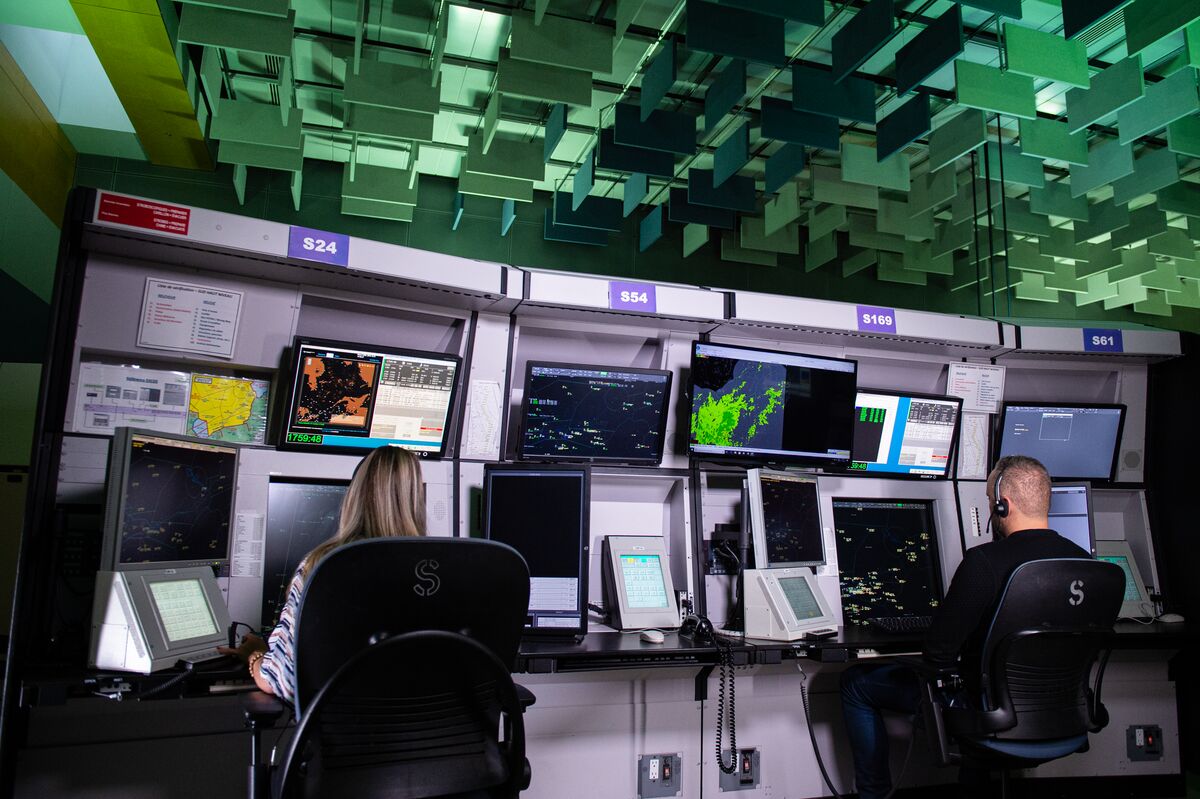
Two air traffic controllers work in an area control centre in Montreal, Quebec.
An air traffic control work station at NAV CANADA's tower in Calgary, Alberta.
NAV CANADA's flight inspection aircraft passes by the air traffic control tower at Vancouver International Airport.
An air traffic controller speaks with pilots from a harbor flight centre.
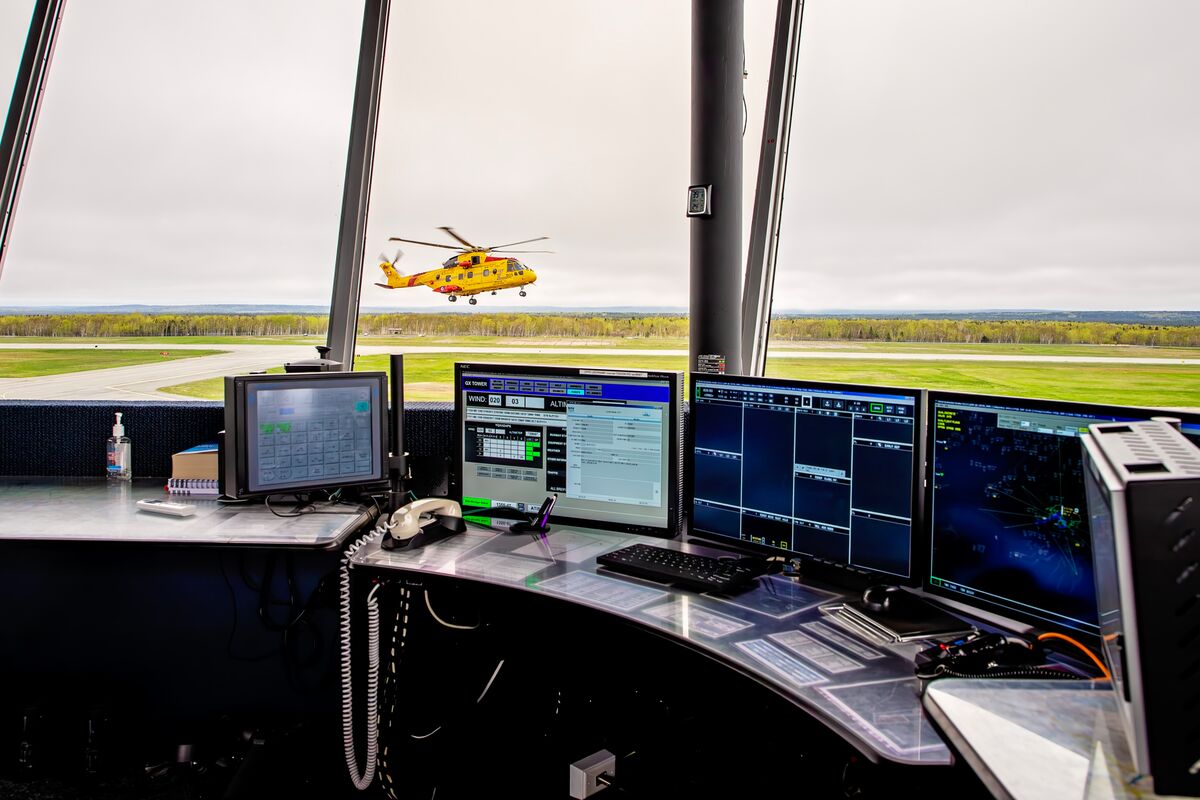
View from the Gander air traffic control tower in Gander, Newfoundland and Labrador.
An air traffic controller observes aircraft from a tower.
: Configure the Windows RestrictReceivingNTLMTraffic registry key to prevent your systems from initiating outbound NTLM authentication to untrusted servers, mitigating coercion attacks like the malicious website or LNK file.
To help tailor further security recommendations, could you tell me if you are looking to , or are you currently trying to remediate an active security finding regarding NTLM? Share public link
If you search for "NTLM hash decrypter," you will find many websites and tools claiming to instantly decrypt NTLM hashes.
Tools try every possible combination of characters sequentially until they find the correct password.
The only winning strategy is defense-in-depth. For security professionals, understanding how these tools work is essential for testing and hardening systems. For administrators, the path forward is clear: migrate to modern protocols (Kerberos), enforce strong policies, disable legacy protocols, and keep systems patched. In the world of NTLM, it is not a question of if a hash can be broken, but how quickly .
Given the power and prevalence of these attack tools, a robust defense is critical. Here are the essential steps to protect your environment:
Modern decrypters/crackers utilize hardware acceleration to speed up the guessing process:
NTLM hashes are MD4 functions, meaning they cannot be "decrypted" in the traditional sense. Instead, "decryption" refers to cracking the hash via brute force or using the hash to decrypt network traffic in tools like Wireshark. 1. Cracking NTLM Hashes
Frequently Asked Questions
Read frequently asked questions about careers in air traffic services.