| Order Now | About Us | Shipping | HOME | Contact Us | Prices |
| AUDIO MENU | |
| • | Amplifiers |
| • | Beatmachines |
| • | Cables & Wiring |
| • | Cartridges |
| • | Cases & Racks |
| • | CD Players |
| • | CD Recorders |
| • | Compressors |
| • | Crossovers |
| • | Digital DJ Gear |
| • | DJ Tools |
| • | Equalizers |
| • | Electronic Drum Kits |
| • | Headphones |
| • | Karaoke |
| • | Keyboards |
| • | Microphones |
| • | MIDI Controllers |
| • | Mixers |
| • | Needles |
| • | Packages |
| • | Power Conditioners |
| • | Samplers |
| • | Slipmats |
| • | Software |
| • | Software Controllers |
| • | Sonic Maximizers |
| • | Sound Cards |
| • | Sound Effects |
| • | Speakers |
| • | Turntables |
| • | Video Gear |
| • | Voltage Converters |
|
 |

|
|||||||||||
| 2201 S. Union • Chicago, IL 60616 Phone: 312-846-6192 • Fax: 312-492-8949 SE HABLA ESPANOL  |
|||||||||||||


Marathi Movies ~upd~ Jun 2026
: Filmmakers like Bhalji Pendharkar and Anant Mane integrated traditional Maharashtrian folk arts like Tamasha and Lavani into mainstream films.
By the 1930s, the dawn of talkies gave birth to highly structured studio systems, most notably the legendary based in Pune. Prabhat produced timeless masterworks like Sant Tukaram (1936), which became the first Indian film to receive international acclaim at the Venice Film Festival. marathi movies
Report: The Evolution and Impact of Marathi Cinema Marathi cinema is the oldest film industry in India and a pioneer of the country’s cinematic heritage. From the first silent feature to modern-day blockbusters, the industry has evolved from a focus on historical and mythological tales to gritty, realistic social dramas and experimental art house films. 1. Historical Foundations and "Firsts" : Filmmakers like Bhalji Pendharkar and Anant Mane
: Known as the Father of Indian Cinema, Phalke was a Marathi producer-director who made Raja Harishchandra in 1913. This silent film laid the foundation for all Indian cinema. Report: The Evolution and Impact of Marathi Cinema

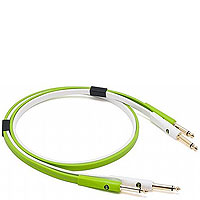 OYAIDE 1/4 - 1/4 CABLES
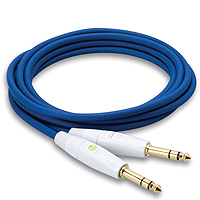 HOSA 1/4 - 1/4 CABLES
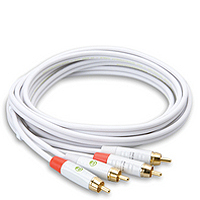 HOSA RCA - RCA CABLES
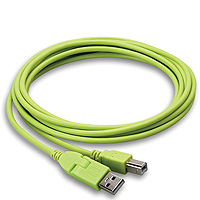 HOSA USB CABLES
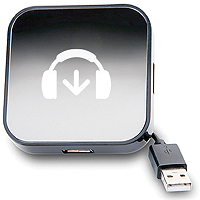 HOSA USB PORT
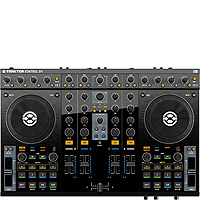 Kontrol S4 - $799.99
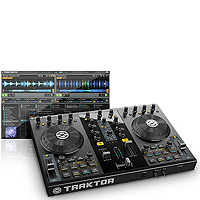 Kontrol S2 - $499.99
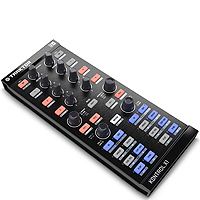 Kontrol X1 - $199.99
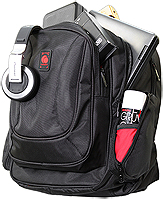 DJ Bags start at $69.99
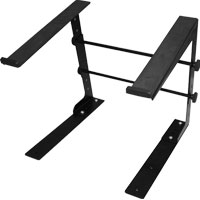 Laptop Stands start at $29.99
| LIGHTS MENU | |
| • | Beacons |
| • | Black Lights |
| • | Bubble Machines |
| • | Centerpiece Effects |
| • | Clamps |
| • | Flame Lights |
| • | Fog Machines |
| • | Fog Juice |
| • | Follow Spots |
| • | Gobo Projectors |
| • | Helicopters |
| • | Intelligent Lighting |
| • | Light Bags |
| • | LED Lights |
| • | Lasers |
| • | Lighting Controllers |
| • | Light Packages |
| • | Mirror Balls |
| • | Par Cans |
| • | Pinspots |
| • | Rope Lights |
| • | Spare Bulbs |
| • | Stands & Trussing |
| • | Strobe Lights |

