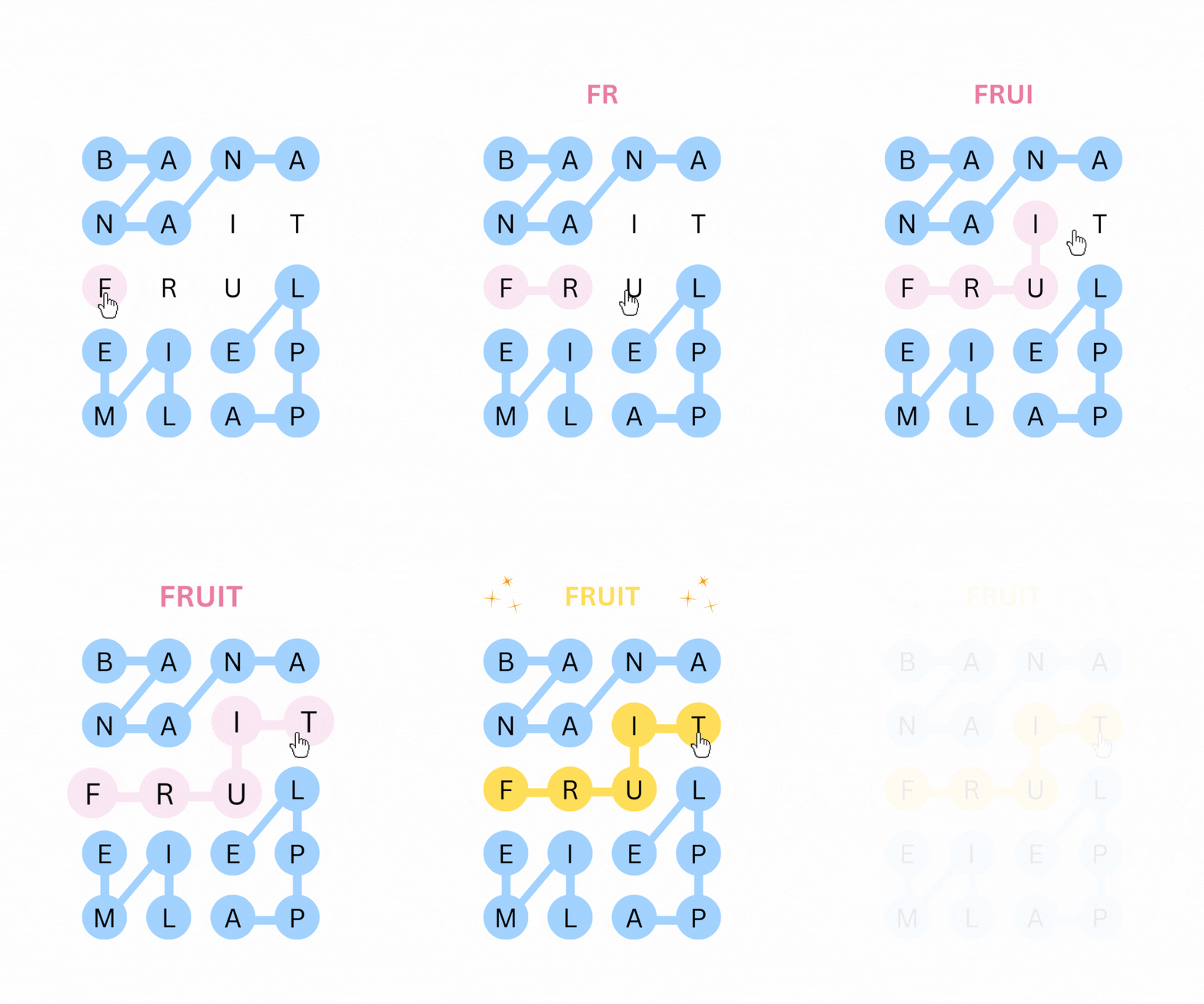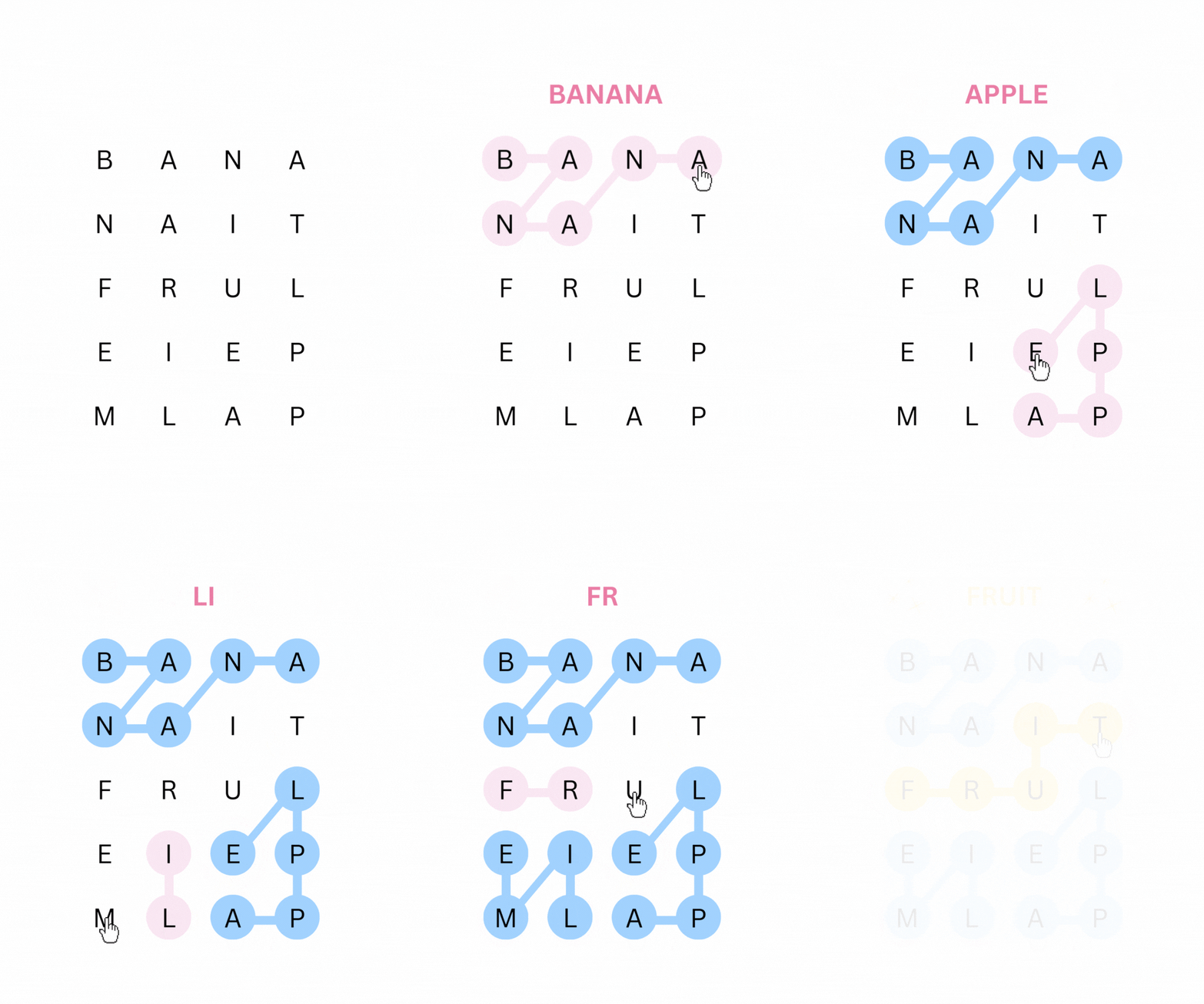
Find theme words to fill the board
Theme words stay highlighted in blue when found.
Drag or tap letters to create words. tapping, double tab the last letter to submit.
Theme words fill the board entirely. No theme words overlap.
Her career, which began at a psychodrama house in New York City before she transitioned to writing and directing, is distinguished by a relentless drive to tell real, complicated stories. She has co-founded eight trend-setting studios, including Sweetheart Video and Sweet Sinner, leading AEBN.net to proclaim her "the most important adult film director of her era".
In earlier cinema, the archetype often highlighted the efficiency of female professionals in supporting roles. Modern independent cinema, however, frequently explores the complexities of these roles, shifting the focus toward the assistant's own agency, ambitions, and the intricate social structures of the modern office environment. Directorial Influence in Independent Media girl friday nica noelle lust cinema best
: Charlie (Lena Anderson) is a young misfit starting her first job at a law firm. On her first day, she secretly witnesses her new boss, Olivia (Mona Wales), in a private moment, which sparks an immediate fixation. Her career, which began at a psychodrama house
The performances are grounded and convincing, avoiding the performative moaning often associated with mainstream studio content. Instead, the chemistry feels palpable and real. It is a film that respects the intelligence of its audience, offering a narrative arc that pays off emotionally as well as physically. The performances are grounded and convincing, avoiding the
Noelle's "Girl Friday" persona has resonated with fans and peers, sparking a wider conversation about femininity, desire, and representation in adult cinema. By embracing her persona and leveraging her platform, Noelle has created a space for women in the industry to express themselves more freely, pushing back against traditional norms and expectations.
Critically, the best of this work forces audiences to confront their own viewing habits. A scene constructed as cinema obliges a different attention—one that notices framing, lingering glances, and the interplay of sound and silence. It asks viewers to feel rather than merely consume. In doing so, it renews erotic content’s capacity to explore desire as a human, narrative-driven force—complicated, contradictory, and often melancholic.